


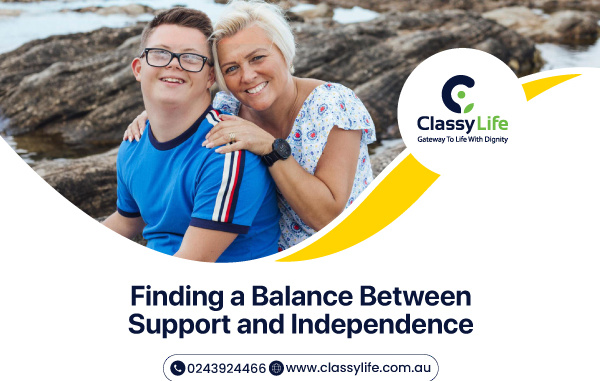
Independence does not always mean doing everything without help. When it comes to people with disabilities, it means having the right support available while still making choices, developing skills and taking an active role in everyday life.
Temporary care and assistance that gives participants and their families a break, while ensuring safety, comfort, and continued support for daily living needs.
Independence does not always mean doing everything without help. When it comes to people with disabilities, it means having the right support available while still making choices, developing skills and taking an active role in everyday life.
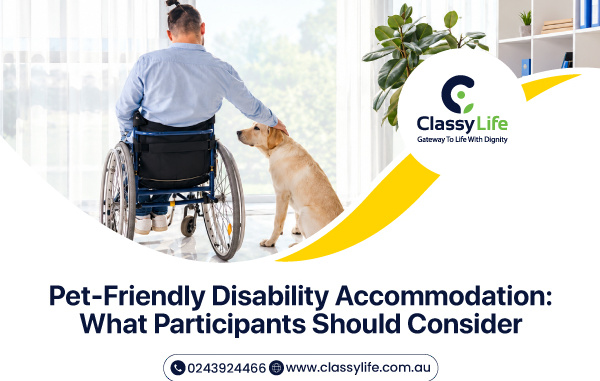
Explore pet-friendly disability accommodation with Classy Life. Learn about pet policies, shared living, responsibilities and NDIS considerations.
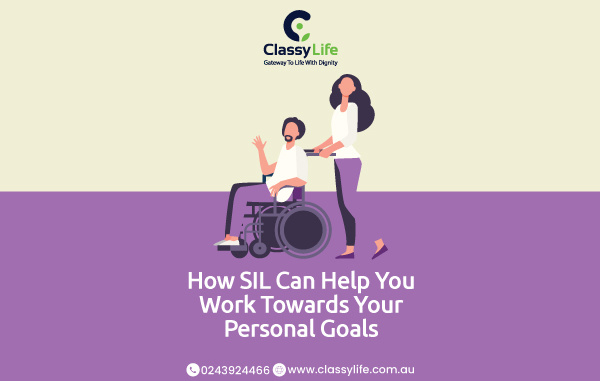
Personal goals can look very different from one person to another, especially for people with disabilities. For some people, the goal might be learning to prepare their meals independently.
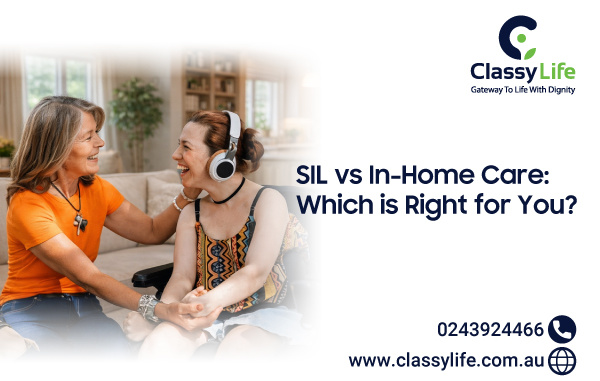
Supported Independent Living (SIL) and in-home care are two important NDIS-funded disability support models, each offering meaningful benefits depending on the participant’s needs and lifestyle preferences.
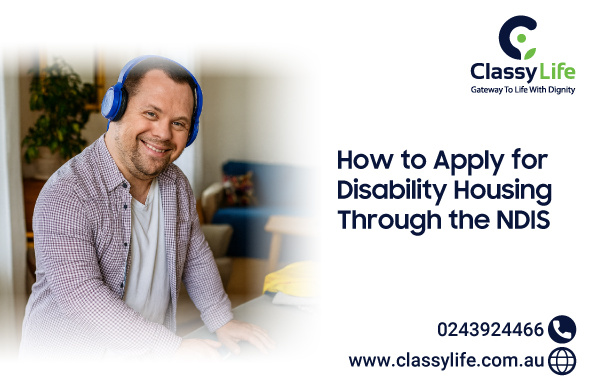
Disability housing plays an important role in helping people live safely, independently, and with dignity. The right home can improve daily life, support personal goals, and create a stronger sense of belonging. Through the NDIS, participants have the opportunity to access housing that is designed to meet their individual disability needs and support a better quality of life.
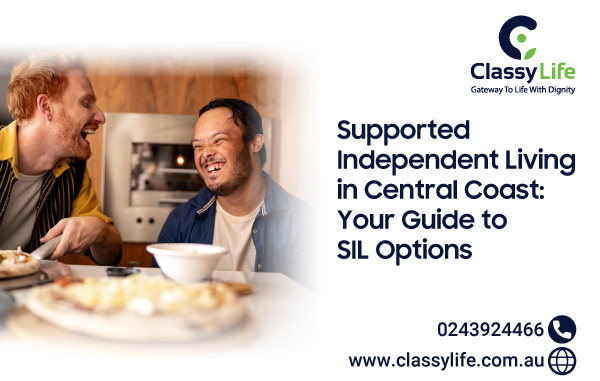
Choosing the right supported living options in regions like Central Coast can make everyday life feel safer, more stable, and independent for people with disabilities.
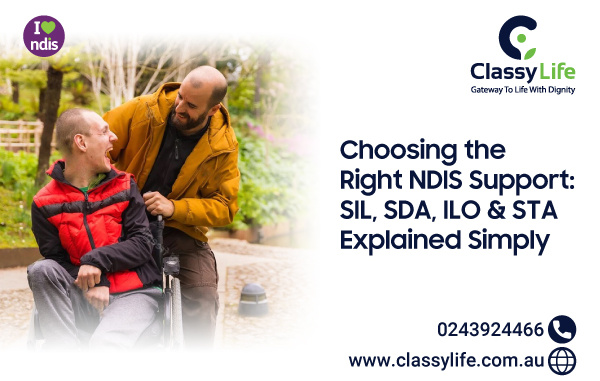
Home and living supports are important because they help people with disabilities live safely, confidently, and with more independence in their everyday lives.
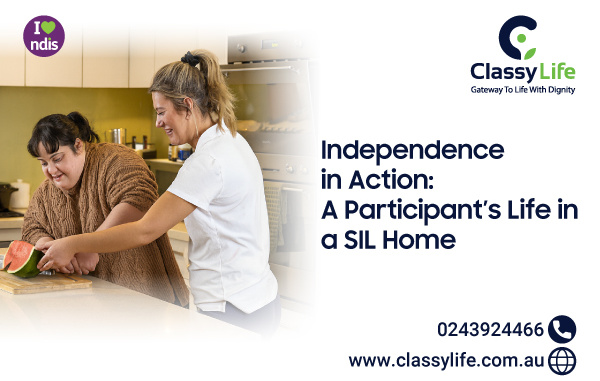
Living in NDIS Supported Independent Living (SIL) accommodation offers participants a balance of independence, personalised assistance, and a safe home environment where everyday routines become easier and more meaningful.
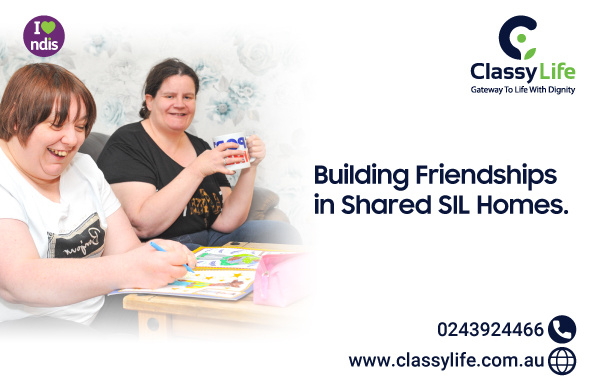
Supported Independent Living, often called SIL, is about providing support with day- to-day tasks so participants can be as independent as possible while learning valuable life skills.
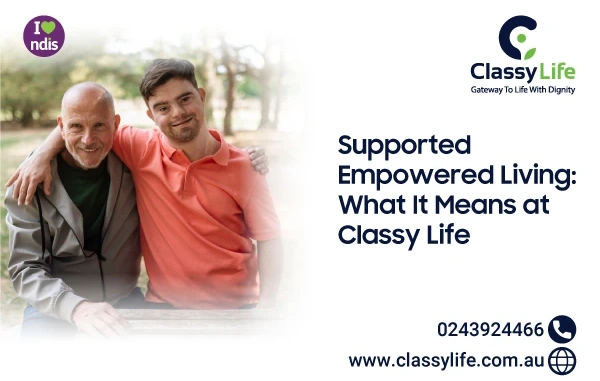
Supported Living is about creating a life where people with disabilities can enjoy independence, safety, and a sense of belonging. It’s about building confidence, developing life skills, and offering the freedom to make everyday choices.