


NDIS Short-Term Accommodation (STA), including respite, is an important support that provides individuals with disabilities an opportunity to explore new experiences in a supportive environment.

Professional and compliant support services provided by NDIS-registered providers, helping participants achieve their goals, maintain independence, and enhance quality of life.
NDIS Short-Term Accommodation (STA), including respite, is an important support that provides individuals with disabilities an opportunity to explore new experiences in a supportive environment.
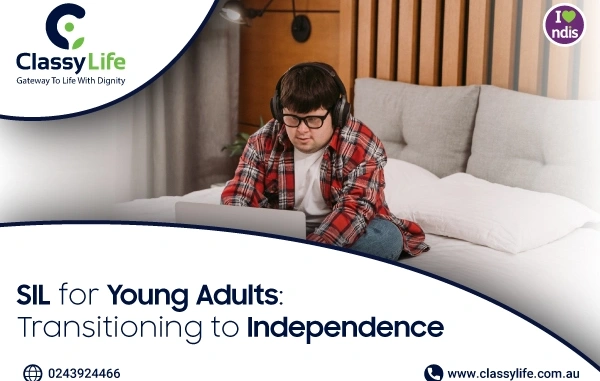
Home and living support options are important for people with disabilities as they pave the way for a more inclusive, independent, and fulfilling life.
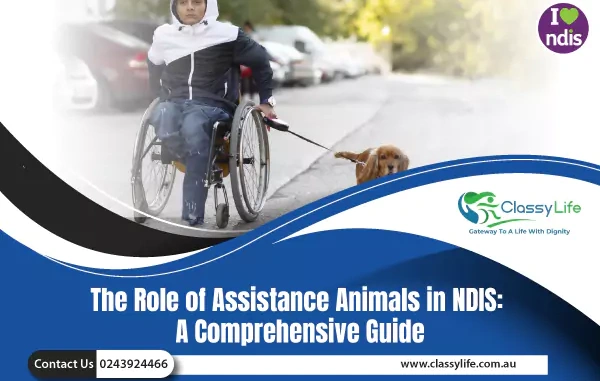
The National Disability Insurance Scheme (NDIS) plays a vital role in enhancing the lives of people with disabilities. One aspect of the NDIS that deserves recognition for its incredible impact on disability
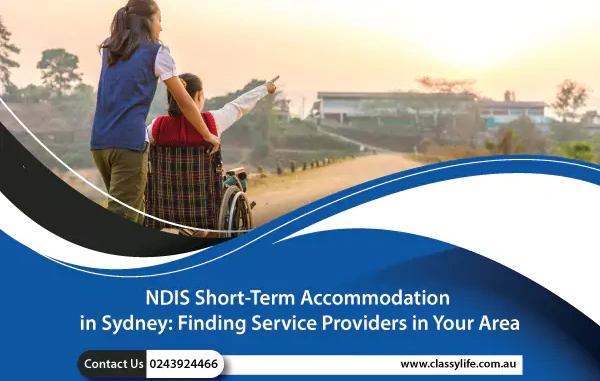
People with disabilities may come across circumstances where their informal supports
are unavailable for a short period of time. In such situations, NDIS Short-Term
Accommodation (STA), including respite can help them access the care and support that they need at a place away from home for up to 14 days at a time.
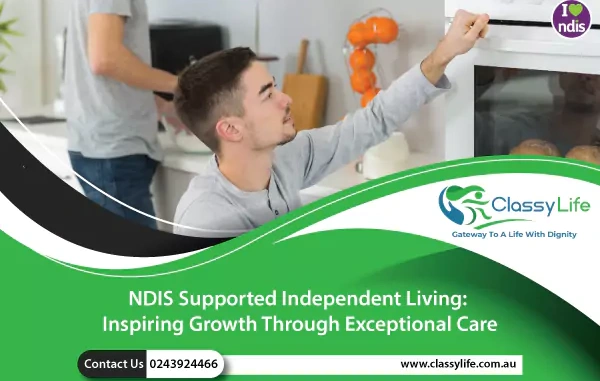
Supported Independent Living helps people with disabilities to live independently and become active members of their communities. It is one of the many home and living support funded by the National Disability Insurance Scheme (NDIS).
Consistency and continuity of care are essential while providing support for people
with disabilities. It will help them to make significant progress towards their goals and build their capacity to take care of their own needs.
The National Disability Insurance Scheme (NDIS) helps people with disabilities,
including those with Down Syndrome to live as independently as possible through funded support and services.
Mental health is an important factor which influences the quality of our lives and greater overall well-being. People with psychosocial disabilities face a unique set of challenges which stems from their mental health conditions.
The National Disability Insurance Scheme (NDIS) helps people with disabilities to pursue their goals and live independently as participating members of the community. The
NDIS emphasizes the importance of giving individuals with disabilities control over the decisions that affect their lives,
NDIS Supported Independent Living (SIL) is a support package designed to facilitate independent and empowered living for NDIS participants.