Registered SIL Provider



Participant Choice and Control: What it Means for Your Everyday Support
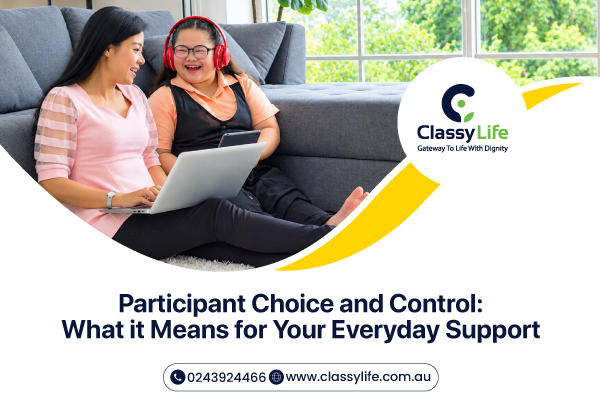
Disability support should respect the way a person prefers to live, rather than expecting them to follow routines decided by others. Under the National Disability Insurance Scheme (NDIS), participant choice and control means being involved in decisions about the supports you receive, who delivers them and how they are provided. These choices help ensure your everyday assistance reflects your individual needs and goals.
Choice and control begin with the way everyday activities are managed. Some participants may prefer assistance with preparing meals rather than having someone cook for them, or want to complete certain household tasks independently with support available when needed. Service providers and support workers should consider these choices while remaining consistent with the participants’ NDIS plan and agreed services. The purpose is to provide assistance without unnecessarily limiting their independence.
Making independent decisions does not mean having to make them without assistance. The NDIS recognises supported decision-making, which allows participants to receive help understanding information, considering options and communicating their preferences. This might involve having information explained differently, taking additional time to decide or involving a trusted person in discussions. The important distinction is that the participant’s own wishes and choices continue to guide the decision.
A participants’ goals and support requirements may change over time. When existing arrangements no longer meet their needs, they can discuss adjustments with their providers or explore alternative services. Participants also have the right to raise concerns about the quality of support they receive. When changing providers, reviewing service agreements and arranging alternative support can help minimise disruptions to their daily routines. Choice also extends to personal information. Participants can decide what information from their NDIS plans they consent to share with providers. Respect for privacy is an important part of quality disability support. Support workers and providers must respect personal boundaries, communicate appropriately and involve participants in decisions affecting their lives.
At Classy Life, we believe meaningful disability support begins with listening to the person receiving it. As a registered NDIS provider supporting participants across the Central Coast, Newcastle and Sydney, we focus on delivering personalised assistance that respects individual choices, abilities and aspirations. Contact Classy Life to discuss personalised NDIS support arrangements that respect your decisions and help you work towards your goals!