


Home and living supports are important because they help people with disabilities live safely, confidently, and with more independence in their everyday lives.
Home and living supports are important because they help people with disabilities live safely, confidently, and with more independence in their everyday lives.

Social connection plays a crucial role in disability wellbeing, and the NDIS recognises this through its focus on Social and Community Participation. For many participants, having regular opportunities to engage with others, join local activities
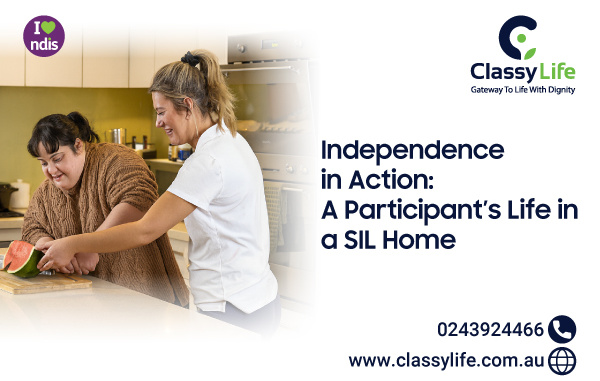
Living in NDIS Supported Independent Living (SIL) accommodation offers participants a balance of independence, personalised assistance, and a safe home environment where everyday routines become easier and more meaningful.
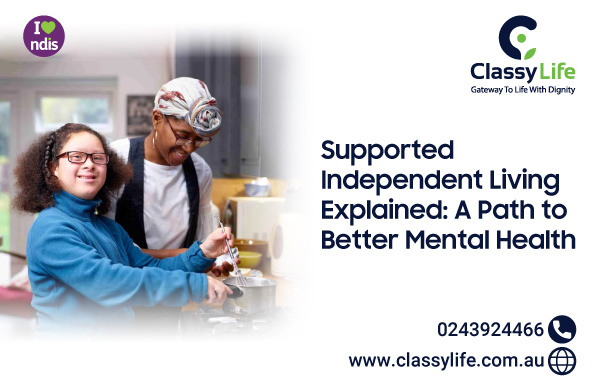
Supported Independent Living (SIL) under the National Disability Insurance Scheme (NDIS) creates safe, stable, and supportive home environments that strengthen mental wellbeing.
The National Disability Insurance Scheme (NDIS) gives people with permanent and significant disabilities the funding and support they need to live confidently, independently, and with greater control over their lives.
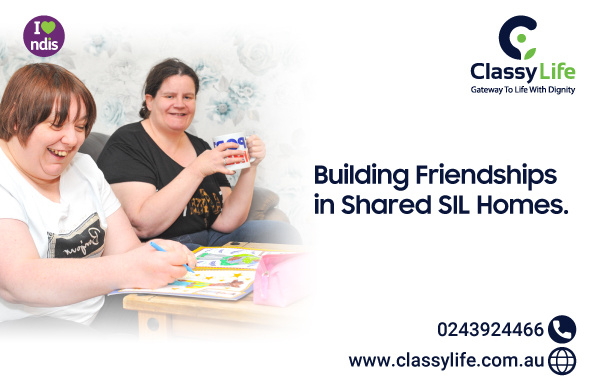
Supported Independent Living, often called SIL, is about providing support with day- to-day tasks so participants can be as independent as possible while learning valuable life skills.
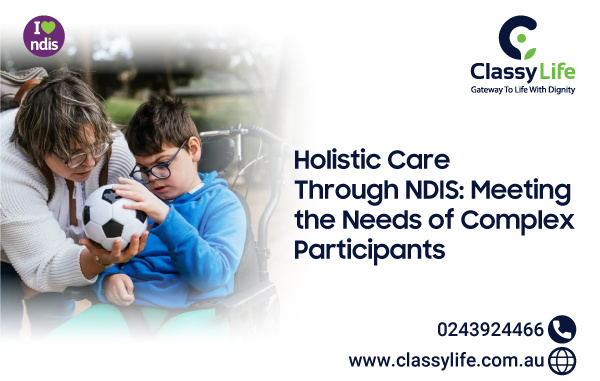
Living with a disability can affect many aspects of a person’s life, and for some people their disability support needs are more complex. These participants may need help not just with daily tasks, but also with health, therapy, and social connections. The National Disability Insurance Scheme (NDIS) is designed to meet these needs by offering care that looks at the…
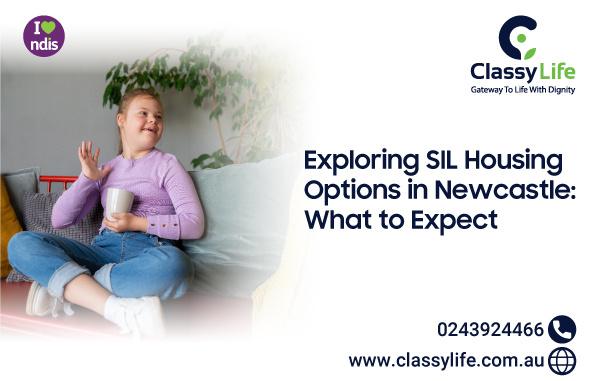
A safe and supportive home environment is the foundation of independence, confidence, and wellbeing for people with disability.
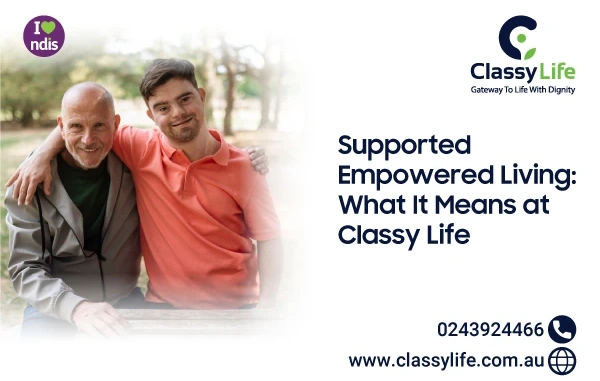
Supported Living is about creating a life where people with disabilities can enjoy independence, safety, and a sense of belonging. It’s about building confidence, developing life skills, and offering the freedom to make everyday choices.
Supported Independent Living (SIL) is an important NDIS-funded disability support that helps people with higher support needs to live more independently. SIL provides personal support for daily activities like cooking, cleaning, and personal care.