


People with disabilities fight against a lot of odds to overcome various disability
barriers and build a life for themselves where they have choice and control over their way of
living.
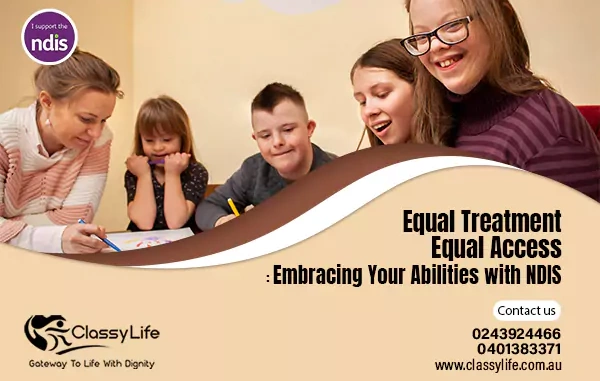
People with disabilities fight against a lot of odds to overcome various disability
barriers and build a life for themselves where they have choice and control over their way of
living.
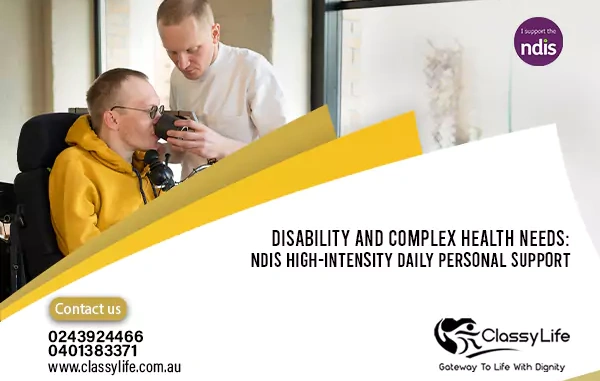
People with disabilities often are at greater risk for complex health problems and
therefore require proper care and support from qualified professionals. Usually, the
complexity arises from having more than one disability or having a disability in combination
with other serious health conditions.
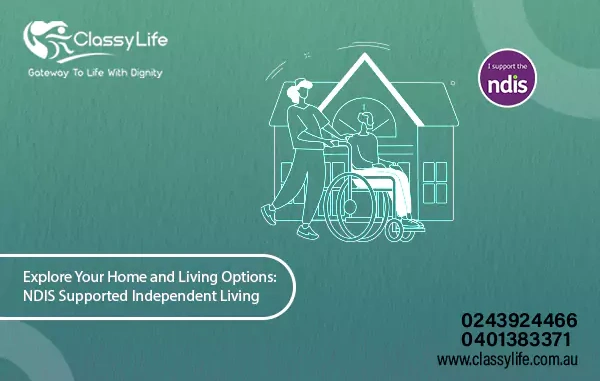
Living independently is a dream that’s often put on hold by people with disabilities
due to their high care needs and lack of proper disability support. Supported Independent
Living (SIL) is one of the many home and living support options available to NDIS
participants that allows them to live independently like others and pursue a living option that
makes them happy and boosts their morale.
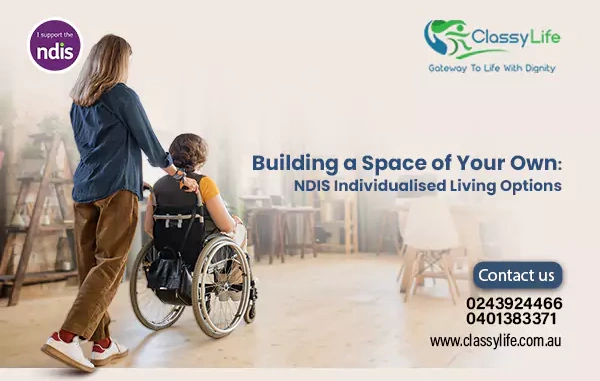
Moving out of the home of their parents and living in a place on their own is often a distant dream for a lot of differently-abled individuals. That’s because the provision of care and support that they need to move out from the safety and protection provided by their loved ones is often lacking
Challenging behaviours or behaviours of concern are often exhibited by people with severe disabilities as a response to their needs not being met or certain environmental factors.
Adolescence is an important phase in our lives where we go through significant changes in terms of physical, cognitive and mental developments.
Professional disability support services play a significant role in ensuring that differently-abled individuals stay connected to mainstream society. These support services focus on capacity building and skill development so that people with disabilities could become as independent as possible over time.
People with psychosocial disabilities often face stigma from society due to the episodic nature of their condition. Moreover, psychosocial disabilities can often be invisible to the eyes leading to the discrimination of persons suffering from it compared to other disability conditions. In an effort to improve the lives of people with psychosocial disabilities, the NDIA has developed a Psychosocial Disability…
Disability service providers are an integral part of the National Disability Insurance Scheme (NDIS) as they are the conduits through which the participants are accessing the supports and services that they need.

Providing care and support for people with disabilities keeps the carers occupied all
the time with numerous responsibilities. Though they are the most compassionate people who
readily and happily provide the required support for people with disabilities, long hours of exertion can cause burnout.